Macondo well blowout and Deepwater Horizon rig explosion
April 20, 2010 · Gulf of Mexico, approximately 50 miles off the Louisiana coast
- 11fatalities
- 17critical injuries
- 115personnel evacuated from the rig
- 4 millionbarrels spilled (reported figure)
What Happened?
On April 20, 2010, during temporary abandonment operations on the Macondo well from the Deepwater Horizon drilling rig, well control was lost, leading to a catastrophic blowout—an uncontrolled release of oil and gas. The hydrocarbons found an ignition source on the rig floor, causing explosions and fires that claimed 11 lives, critically injured 17 others, forced the evacuation of 115 personnel, sank the rig, and caused widespread marine and coastal damage from an estimated 4 million barrels of spilt oil.
BP was the operator, leaseholder, and well designer, while Transocean was the drilling contractor that owned and operated the rig.
Sequence of Barrier Failures
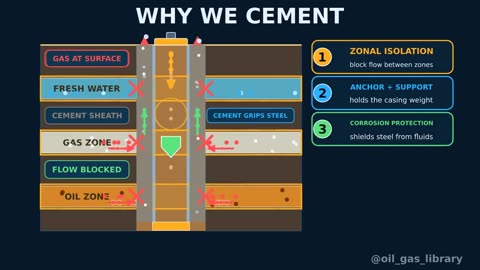
- The bottomhole cement barrier, designed to isolate hydrocarbons below the mudline, failed to achieve effective zonal isolation.
- The Negative Pressure Test, run to verify the integrity of the cement barrier, was misinterpreted, leading the crew to mistakenly conclude that the reservoir formation was securely isolated.
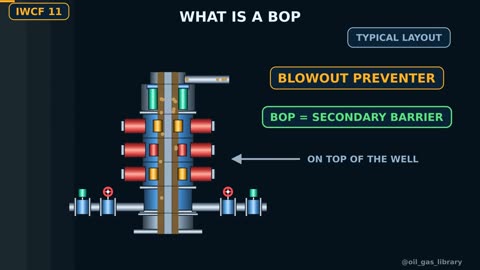
- When drilling mud was displaced from the wellbore in preparation for setting a surface cement plug, the open BOP became the sole remaining physical barrier, relying entirely on human detection of the kick and prompt manual shut-in of the BOP.
- Reservoir influx continued undetected for nearly an hour without initiating shut-in procedures. By the time hydrocarbons breached above the BOP, the crew closed it manually, but the volume already past the stack ignited and exploded. Investigation reports indicate that the emergency automated system designed to shear the drill pipe and seal the well likely triggered, but failed to achieve shut-in.
Lessons Learned (from the CSB Report)
- Testing limitations concealed latent defects within the BOP, which compromised its performance on the day of the incident.
- Wellbore pressure conditions can cause drill pipe to buckle off-center inside the BOP even after initial closure, preventing emergency shear rams from fully cutting the string and sealing the well.
- Leading Process Safety indicators must receive equal oversight and priority as occupational personal safety statistics.
- Human factors and Crew Resource Management (CRM) cognitive and social skills training are essential to counter cognitive biases during critical decision-making.
- Joint operations between operator and drilling contractor require clearly defined, unambiguous safety roles and accountabilities.
References
- U.S. Chemical Safety Board — Macondo Blowout and Explosion (investigation page)
- CSB — Investigation Report Executive Summary, Report No. 2010-10-I-OS (2016)
- National Commission on the BP Deepwater Horizon Oil Spill — Deep Water (2011, GovInfo)
All facts and figures on this page are sourced from the official reports listed above. This content is educational and does not replace reading the comprehensive original investigation reports.